

When Should You Get Root Canal Treatment in Da Nang?
Root canal treatment, also called endodontic treatment, removes inflamed, infected, or dead pulp tissue and seals the root canal system. Dental pulp contains blood vessels and nerves, so pulp inflammation can cause severe pain if not treated properly.
When is root canal treatment needed?
Root canal treatment may be needed when a tooth has deep decay, exposed pulp after trauma, infection around the root tip, or pulp problems discovered before cosmetic or prosthetic restoration.
Why should you treat the pulp early?
Early treatment helps prevent pulp necrosis, abscess formation, bone loss around the root, and spreading infection. It can preserve the natural tooth, restore chewing function, reduce pain, and avoid unnecessary extraction.
Root canal process at Dr. Khoa
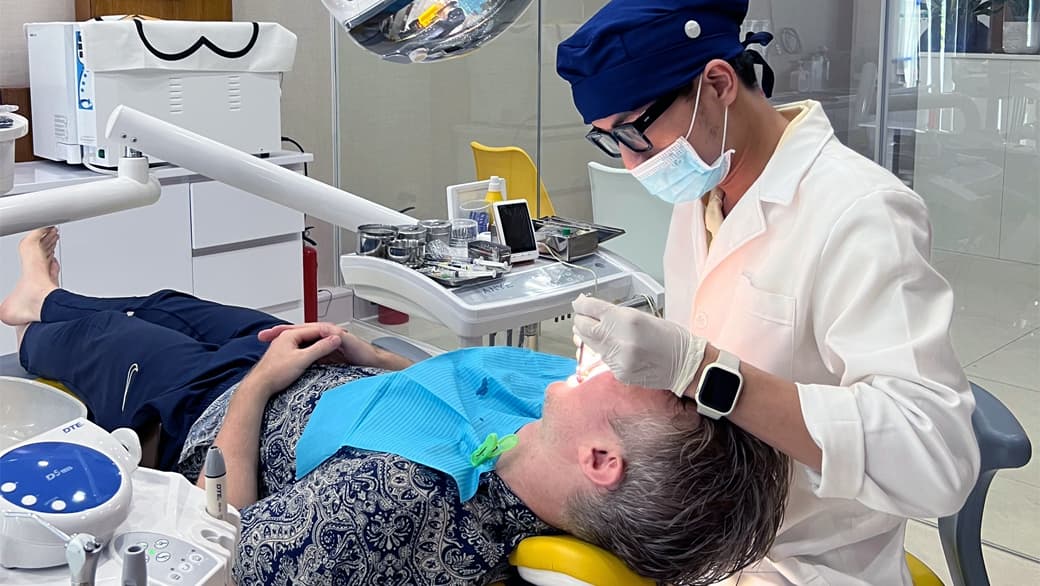
The dentist examines the tooth and takes X-rays to evaluate the canal system and surrounding bone. The mouth is cleaned, local anesthesia is given when needed, and treatment is performed in a sterile environment.
The tooth is isolated to keep the area dry and clean. The dentist opens the tooth, removes infected pulp tissue, shapes and disinfects the canals, then fills them with suitable materials such as gutta-percha or MTA depending on the case.
After treatment, the dentist gives care instructions and schedules follow-up visits. A final restoration or crown may be recommended to protect the tooth from fracture.
Choosing a root canal clinic
A reliable clinic should have experienced dentists, modern endodontic equipment, strict sterilization, and individually prepared instruments. Technology and technique are important because root canal systems can be complex and difficult to clean completely.
Root canal cost in Da Nang
The cost depends on tooth type, number of canals, complexity, technology used, and the final restoration plan. Dr. Khoa provides transparent consultation and treatment planning after examination.
Care after root canal treatment
Avoid chewing on the treated tooth during the first hours after treatment. Eat soft foods, brush gently, follow the appointment schedule, and return to the clinic if you have persistent pain, swelling, or discomfort.